Choosing Between Metal and Plastic Containers for Oil Storage
Understanding Oil Storage Containers
Types of Oil Storage Tanks
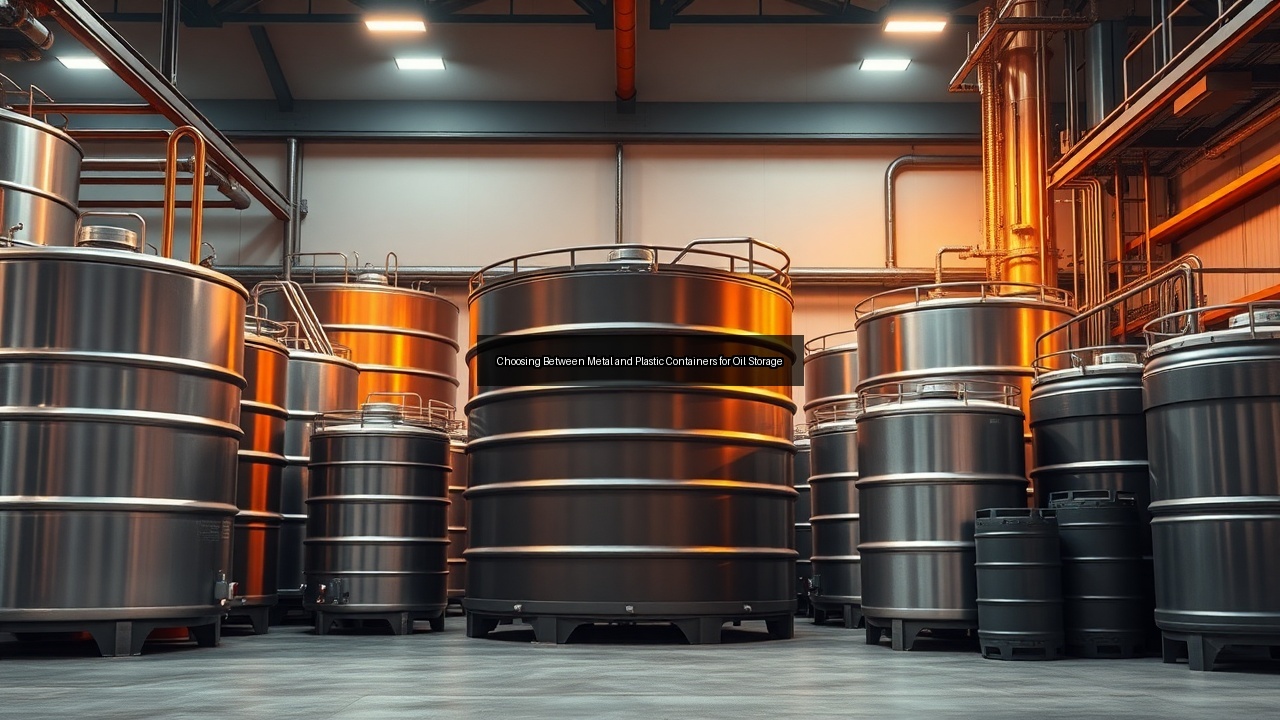
Oil storage containers come in various types, each serving unique purposes in the oil and gas storage industry. The most common types include above-ground storage tanks (ASTs) and underground storage tanks (USTs). ASTs are typically made of metal or plastic and are visible above the ground. They range in size from small drums holding a few gallons to massive tanks capable of storing thousands of gallons. USTs, on the other hand, are buried underground and are primarily used in residential and commercial settings for heating oil or gasoline storage.
Another popular option includes plastic containers, which are lightweight and often used for smaller quantities of oil or lubricants. These containers can be found in various forms, including drums and square tanks. Gravity feed systems are often implemented with these containers, allowing for easy dispensing of oil. Each type of storage tank comes with its own set of advantages and considerations, making it essential to choose wisely based on specific requirements.
Key Materials Used in Oil Storage
The materials used in the construction of oil storage containers significantly impact their performance and longevity. Metal containers, often constructed from steel or aluminum, provide excellent durability. They withstand extreme temperatures and resist corrosion when properly coated. This makes them ideal for long-term storage of various oils and lubricants.
Plastic containers, typically made from high-density polyethylene (HDPE) or other specialized polymers, offer their own set of advantages. They are resistant to rust and corrosion, lightweight, and can be molded into different shapes for various applications. However, they may not be suitable for all types of oils, particularly those that are highly corrosive. Understanding the chemical compatibility of the material with the stored oil is crucial when selecting a container.
Common Sizes and Capacities of Containers
Storage capacity is a critical factor when selecting oil storage containers. They come in various sizes, from small quart containers for personal use to large tanks that hold thousands of gallons for commercial operations. Common sizes for plastic containers include 5-gallon buckets, 55-gallon drums, and larger IBC (Intermediate Bulk Containers) that can store 275 gallons or more.
Metal tanks also vary widely in capacity, with smaller options available for residential use and massive tanks used in industrial settings. Understanding your specific needs for oil storage, including how much oil you plan to store and the frequency of use, will guide your choice of container size. Additionally, considering local regulations regarding storage capacities can help ensure compliance and safety.
Comparing Metal and Plastic Containers
Durability and Longevity
When evaluating metal and plastic containers for oil storage, durability and longevity dominate the conversation. Metal tanks, particularly those made from high-quality steel, offer outstanding resistance to physical impacts and extreme temperatures. These containers can last for decades with proper maintenance, making them a reliable choice for long-term oil storage. However, they do require routine inspections to prevent rust and corrosion, especially if exposed to moisture.
Plastic containers, while generally lighter and easier to handle, have a shorter lifespan than their metal counterparts. They can become brittle over time, especially when exposed to UV rays or extreme temperatures. However, advancements in plastic technology have improved the durability of many modern containers. Still, for critical applications where longevity is paramount, metal containers typically hold an advantage.
Resistance to Chemicals and Environmental Factors
The choice between metal and plastic containers often hinges on their resistance to chemicals and environmental factors. Metal containers excel in storing various oils, including those that are non-corrosive. However, they may not be suitable for all substances, particularly aggressive chemicals that can cause rust and degradation over time.
Plastic containers generally offer better chemical resistance, especially when designed for specific applications. Many plastic containers are compatible with a broad spectrum of oils and lubricants, making them versatile for different storage needs. Additionally, they are unaffected by water, which can be beneficial in areas with high humidity or rainfall. Evaluating the specific chemicals and oils to be stored will help determine the best material for your needs.
Cost-Effectiveness and Maintenance
Cost plays a significant role in deciding between metal and plastic containers for oil storage. Generally, plastic containers are more affordable upfront, making them an attractive option for small-scale operations or personal use. They often require less initial investment and are easier to transport due to their lightweight nature. However, their shorter lifespan may result in higher replacement costs over time.
Metal containers containers for storing oil typically come with a higher price tag but offer better durability and longevity. While they may require more initial investment, their lifespan and resistance to wear and tear often provide better value in the long run. oil tank Maintenance for metal tanks involves regular inspections and potential rust treatment, whereas plastic containers may require cleaning to remove residues but generally demand less upkeep.
Selecting the Right Container for Your Needs
Factors to Consider When Choosing a Storage Tank
Choosing the right oil storage container involves considering several factors. First, assess the type of oil you intend to store. Different oils have varying chemical properties, which can influence the choice of container material. Next, evaluate the volume of oil you need to store. The size of the container should match your storage needs while complying with local regulations regarding storage capacities.
Environmental factors also play a crucial role. Consider the location of the storage tank and potential exposure to elements like sunlight, rain, or extreme temperatures. For outdoor storage, selecting a container designed to withstand environmental stressors is vital. Additionally, think about accessibility and ease of use. Containers should allow for easy dispensing of oil, whether through gravity feed systems or pumps.
Best Practices for Storing Oil and Lubricants
Implementing best practices for storing oil and lubricants ensures safety and prolongs the lifespan of your storage containers. Always store oil containers in a cool, dry place away from direct sunlight and heat sources. Regularly inspect containers for signs of leaks, corrosion, or damage. Maintain a clean storage area to prevent contamination, as dirt and debris can compromise the integrity of the oil.
Use proper labeling on containers to ensure easy identification of stored materials. This practice aids in inventory management and helps prevent accidental mixing of incompatible substances. For larger storage tanks, consider using secondary containment systems to mitigate the risk of spills. Following these best practices will ensure that your oil storage remains safe and efficient.
Safety Regulations and Compliance Guidelines
Adhering to safety regulations and compliance guidelines is critical in oil storage. Various federal and state regulations govern the storage of oils and lubricants, including the Environmental Protection Agency (EPA) and local fire codes. Understanding these regulations helps prevent fines and ensures safe operations. For instance, above-ground storage tanks often require spill containment systems and regular inspections to identify potential hazards.
It’s essential to keep records of inspections, maintenance, and any incidents related to oil storage. This documentation not only ensures compliance but also helps in identifying trends or issues with storage practices. Engaging with local authorities or industry groups like OnePetro can provide valuable insights into best practices and regulatory updates, ensuring your operations remain compliant and safe.