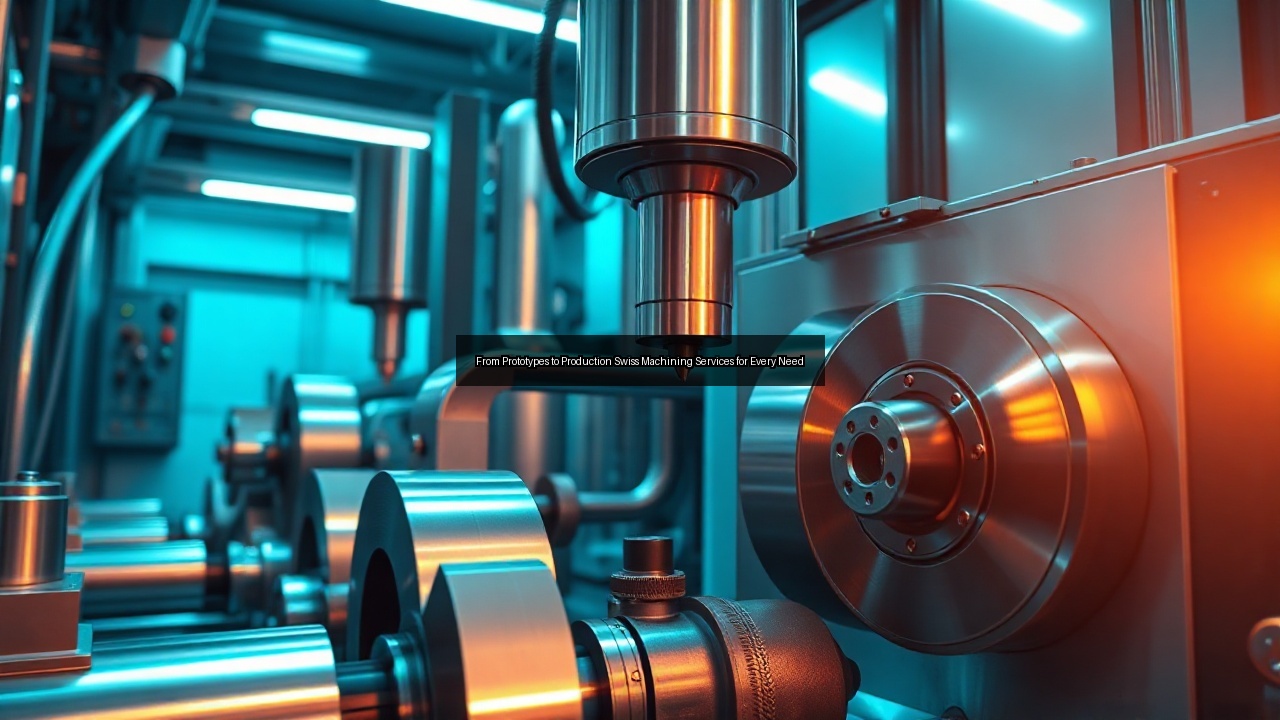
From Prototypes to Production Swiss Machining Services for Every Need
Understanding Swiss Machining Services
What is Swiss Machining?
Swiss machining refers to a specialized type of precision machining that utilizes Swiss-style lathes, often called Swiss screw machines. These machines excel at producing small, intricate parts with high precision and efficiency. Originating in Switzerland, this method has gained worldwide recognition for its ability to create complex geometries and tight tolerances. The unique design of Swiss lathes allows for continuous production, making them ideal for mass production of small components. Typical materials include metals such as stainless steel, brass, and aluminum, but the technology can also accommodate various plastics and composites. Swiss machining services cater to industries ranging from aerospace to medical devices, where precision and reliability are non-negotiable.
Key Advantages of Swiss Machining
Swiss machining offers numerous advantages that set it apart from traditional machining methods. Speed stands out as one of the primary benefits. Swiss lathes can create parts much faster than conventional machines due to their ability to perform multiple operations simultaneously. This capability significantly reduces cycle times, leading to increased productivity. Another critical advantage lies in the precision achieved through the design of Swiss screw machines. These machines maintain close tolerances and produce parts with a consistent finish, essential for industries that demand high-quality components. Additionally, Swiss machining minimizes material waste, leading to cost savings in production. The ability to handle complex shapes and the flexibility to switch between production runs further enhance the appeal of Swiss machining services.
Applications in Various Industries
Swiss machining services find application across an array of industries, each benefiting from the method’s precision and efficiency. In the aerospace sector, components such as fittings, brackets, and valve parts require high reliability and stringent quality standards. Swiss machining excels in producing these intricate parts that meet ISO 13485 compliance, essential for safety and performance. The medical industry also leverages these services to create surgical instruments and implants, where precision is critical for patient safety. Automotive manufacturing utilizes Swiss machining for producing small, complex components like fuel injectors and transmission parts. Furthermore, electronics, defense, and telecommunications industries rely on Swiss machining for producing high-quality, durable parts that withstand rigorous conditions. The versatility of Swiss machining services makes them invaluable across multiple sectors.
The Process of Swiss Machining
From Prototyping to Production: The Journey
The journey from prototyping to production in Swiss machining services involves several crucial steps. Initially, designers create prototypes to test the feasibility of the part and its functionality. This stage often requires rapid prototyping techniques, which allow for quick adjustments and iterations based on feedback. After finalizing the design, engineers convert it into a CNC program specifically tailored for Swiss lathes. This programming step is critical as it dictates the machining operations required to achieve the desired outcome. Once production begins, the Swiss lathe performs various functions, such as turning, milling, and drilling, often simultaneously. The integration of advanced technologies ensures that the transition from prototype to full-scale production is seamless, maintaining quality throughout the process. Continuous monitoring and adjustments during production further enhance efficiency and precision.
The Role of CNC and Swiss Lathes
CNC technology plays a vital role in Swiss machining, allowing for enhanced control and precision. Computer Numerical Control (CNC) systems enable the programming of Swiss lathes to execute complex machining tasks with high accuracy. As a result, parts can be produced with intricate details and tight tolerances that manual machining cannot achieve. The design of Swiss lathes complements CNC technology, featuring sliding headstock mechanisms that allow the workpiece to move closer to the cutting tool. This design minimizes tool wear and ensures optimal cutting conditions. CNC Swiss machining services also enable manufacturers to produce high volumes of parts consistently, making them ideal for mass production runs. The combination of CNC technology and Swiss lathes leads to improved efficiency, reduced lead times, and reliable quality standards in the final product.
Precision and Quality Assurance in Machining
Precision and quality assurance stand at the forefront of Swiss machining services. Manufacturers implement rigorous quality control measures to ensure that each machined part meets specified tolerances and industry standards. This commitment to quality begins at the design phase and carries through to the final inspection. Advanced inspection techniques, such as laser measurement and coordinate measuring machines (CMM), allow for accurate verification of part dimensions and features. By adhering to ISO 13485 standards, particularly in industries like medical and aerospace, manufacturers demonstrate their dedication to producing safe and effective products. Regular audits and certifications further reinforce quality assurance protocols, ensuring that machining processes remain compliant with industry regulations. This unwavering focus on precision and quality not only enhances customer satisfaction but also establishes trust in Swiss machining services.
Diverse Capabilities of Swiss Machining
Screw Machining: The Backbone of Precision Parts
Screw machining serves as a cornerstone of Swiss machining services, specializing in the production of small, precision components. Screw machines, including both CNC and traditional models, excel at creating parts such as screws, bolts, and fasteners with high accuracy. The design of screw machines allows for rapid production, where multiple parts can be machined simultaneously. This capability is particularly advantageous for industries requiring large quantities of identical components. The versatility of screw machining extends to various materials, including metals and plastics. Manufacturers can customize the process to meet specific requirements, ensuring that each part meets the necessary specifications. The reliability of screw machined parts, combined with the efficiency of the process, solidifies screw machining's role as a key player in the world of precision machining services.
Wire EDM and Its Applications in Swiss Machining
Wire Electrical Discharge Machining (EDM) complements Swiss machining services by providing an effective solution for producing intricate parts that require exceptional precision. Wire EDM utilizes a thin, electrically charged wire to cut through conductive materials with extreme accuracy. This process is particularly beneficial for creating complex geometries that traditional machining methods struggle to achieve. In Swiss machining, wire EDM can help in producing intricate components for industries such as aerospace and medical devices. The ability to create tight tolerances and intricate details makes wire EDM a valuable addition to the capabilities of any machine shop. Furthermore, the process generates minimal heat, reducing the risk of thermal distortion in the workpiece. As a result, manufacturers can achieve high-quality finishes and maintain dimensional integrity throughout production.
Custom Swiss Machining Services for Unique Needs
Custom Swiss machining services cater to unique client needs, offering tailored solutions that traditional machining cannot match. Manufacturers work closely with clients to understand specific requirements, whether it's a unique part design, a specific material, or specialized machining processes. This collaborative approach ensures that the final product aligns perfectly with client expectations. Custom services often involve rapid prototyping to validate designs before moving to full-scale production. Flexibility in production runs allows clients to order small batches or large quantities, accommodating varying demand levels. Custom Swiss machining also benefits from advanced technologies, including CNC programming and automation, enhancing efficiency and precision. By focusing on the unique needs of clients, custom Swiss machining services create value and foster long-term partnerships in various industries.
Quality Standards and Inspection in Swiss Machining
ISO 13485 Compliance: Ensuring Quality in Aerospace
ISO 13485 compliance plays a crucial role in ensuring quality within Swiss machining services, particularly in highly regulated industries like aerospace. This international standard focuses on the quality management systems needed to consistently provide medical devices and related services that meet regulatory requirements. In the context of Swiss machining, adherence to ISO 13485 ensures that manufacturers implement robust quality controls throughout the production process. From the initial design phase to final inspection, every step undergoes rigorous scrutiny to uphold safety and reliability. Compliance also fosters trust with clients, as they can be confident in the quality and integrity of the machined parts. The aerospace industry, with its stringent safety standards, benefits immensely from ISO 13485 compliance, ensuring that components meet the highest levels of precision and performance.
Inspection Techniques for Superior Machining Results
Inspection techniques in Swiss machining services are vital for achieving superior results and maintaining quality. Advanced methods, such as optical inspection, laser scanning, and CMM, allow manufacturers to assess the accuracy of machined parts effectively. These techniques help identify any deviations from specified tolerances early in the production process, enabling quick corrective actions. Regular audits and routine checks further ensure that the machining process remains compliant with industry standards. By employing a combination of these inspection techniques, manufacturers enhance the reliability of their products, reduce waste, and improve overall efficiency. The emphasis on thorough inspection not only boosts the quality of the end product but also reinforces the reputation of Swiss machining services as leaders in precision manufacturing.
The Importance of Quality Assurance in Machining Services
Quality assurance forms the backbone of Swiss machining services, ensuring that every part produced meets the highest standards of excellence. Manufacturers implement comprehensive quality assurance programs that encompass every stage of production, from design to delivery. This includes establishing clear protocols for quality checks, using advanced inspection technologies, and maintaining compliance with international standards like ISO 13485. Regular training for staff on quality practices helps cultivate a culture of excellence within the machine shop. By prioritizing quality assurance, manufacturers not only enhance customer satisfaction but also minimize costly errors and rework. This commitment to quality reinforces the position of Swiss machining services as trusted providers of precision components across various industries.
See Also
- Understanding ISO 13485 Compliance in Swiss Machining Services
- Boosting Production Efficiency with Swiss Screw Machines
- The Future of Manufacturing Enhancements through Swiss CNC Machining
- A Deep Dive into the Efficiency of CNC Swiss Machining Services
- Exploring the Advantages of Swiss Lathes in Custom Machining Projects