Unlocking the Secrets of Custom Plastic Injection Molding for Innovative Product Design
Understanding Custom Plastic Injection Molding
The Basics of Injection Molding
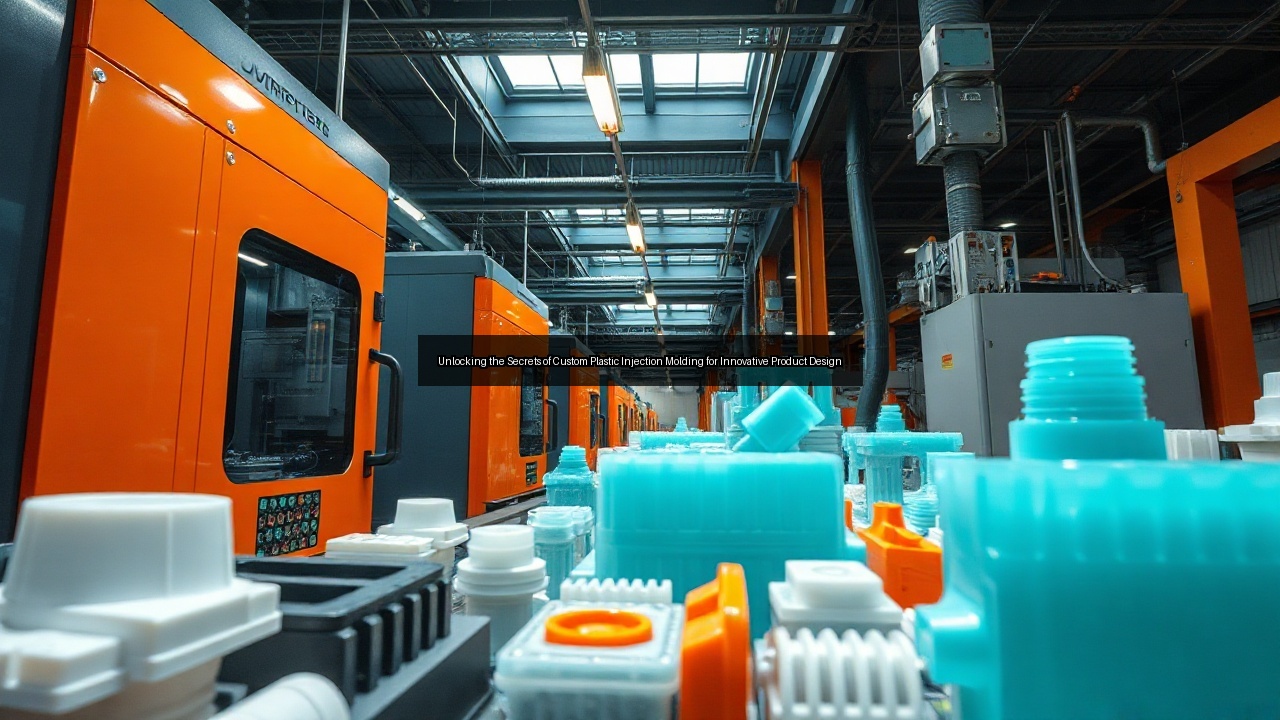
Custom plastic injection molding is a manufacturing process that shapes thermoplastic materials by injecting molten plastic into a custom mold. As the plastic cools and solidifies, it takes the form of the mold, creating precise and consistent parts. This process begins with the selection of raw plastic materials, which are heated until they reach a liquid state. Once the plastic is ready, it is injected at high pressure into the mold, where it fills the cavities and adopts the desired shape. After sufficient cooling, the mold opens, and the finished part is ejected. This efficient method allows for high production rates and the creation of complex geometries, making it ideal for various applications in innovative product design.
Key Benefits of Custom Plastic Injection
Custom plastic injection molding offers numerous advantages that make it a preferred choice for manufacturers. One of the primary benefits is the ability to produce high volumes of parts quickly and consistently. The precision of the molds ensures that each part meets exact specifications, reducing waste and the need for extensive post-processing. Additionally, custom custom molding molds allow for intricate designs that are not feasible with other manufacturing methods. This flexibility in design opens up opportunities for creative product innovations. Cost-effectiveness also plays a significant role; although the initial investment in custom molds can be high, the long-term savings in production costs make it a smart choice for businesses looking to scale their operations. Moreover, the capability to use various materials, including recycled plastics, enhances the sustainability of the manufacturing process.
Applications in Innovative Product Design
The versatility of custom plastic injection molding makes it suitable for a wide range of applications across various industries. In consumer electronics, manufacturers utilize injection molded parts for casings and components, ensuring durability and aesthetic appeal. The automotive industry leverages injection molding for producing lightweight, robust parts that enhance fuel efficiency. Medical devices benefit from custom molds that create intricate components with stringent safety and performance requirements. Additionally, the toy industry relies on this process to produce colorful, imaginative designs that are safe for children. With ongoing advancements in technology, including the integration of 3D printing and CNC machining, custom plastic injection molding continues to evolve, pushing the boundaries of innovative product design.
Techniques and Variations in Injection Molding
Overmolding: Enhancing Product Functionality
Overmolding is a specialized technique within custom plastic injection molding that enhances product functionality by combining two or more materials in a single part. This process involves injecting a second layer of material over a previously molded core, creating a product with improved grip, flexibility, or aesthetic appeal. For example, a rubber-like material can be overmolded onto a hard plastic base to create a comfortable handle for tools or electronics. This method not only adds value through enhanced ergonomics but also reduces the need for additional assembly steps, streamlining the manufacturing process. Overmolding allows designers to explore innovative solutions that incorporate different textures and colors, resulting in more effective and visually appealing products.
Insert Molding: Integrating Metal and Plastic
Insert molding is another powerful technique that integrates metal or other materials within plastic components during the injection molding process. By placing metal inserts, such as threaded inserts or connectors, into a mold before injecting plastic, manufacturers create robust parts that combine the strengths of both materials. This method proves particularly valuable in applications that require enhanced durability or electrical conductivity. For instance, components for automotive or industrial applications often utilize insert molding to ensure reliability under demanding conditions. The seamless bond between the plastic and metal eliminates the need for additional assembly, reducing production time and costs. This innovative approach not only enhances product performance but also opens up new avenues for design possibilities.
Liquid Silicone Rubber (LSR) in Injection Molding
Liquid silicone rubber (LSR) injection molding has gained popularity for its unique properties and versatility in product design. LSR is a two-part silicone material that cures quickly, allowing for efficient production of intricate parts. This material is ideal for applications requiring flexibility, high-temperature resistance, and biocompatibility, making it a preferred choice in medical device manufacturing. The injection molding process for LSR involves injecting the liquid silicone into heated molds, where it cures to form durable and elastic parts. The ability to create complex geometries with smooth surfaces enhances the aesthetic appeal of the final products. LSR also lends itself well to overmolding, further expanding its application in creating multifunctional components. As industries seek innovative materials that offer both performance and design flexibility, LSR continues to play a significant role in the evolution of custom plastic injection molding.
The Injection Molding Process: From Design to Production
Design Considerations for Custom Molds
Designing custom molds for plastic injection molding requires careful consideration of various factors to ensure optimal performance and efficiency. First, designers must understand the material properties, including viscosity and shrinkage rates, to select appropriate mold designs. The geometry of the part also plays a crucial role; complex shapes may require specialized mold features, such as internal cooling channels or ejector pins, to facilitate easy release and consistent quality. Additionally, draft angles must be incorporated to allow for smooth ejection from the mold. Collaborating with experienced mold makers during the design phase ensures that potential issues are addressed early on, reducing the risk of costly modifications later in the process. Proper design not only enhances the functionality of the final product but also streamlines the manufacturing workflow.
Utilizing 3D Printing for Prototyping
3D printing has revolutionized prototyping in the custom plastic injection molding process. This technology allows designers to create accurate prototypes quickly and cost-effectively, enabling them to test and refine their designs before committing to mold production. Rapid prototyping with 3D printing facilitates iterative design processes, allowing for adjustments based on real-world testing and feedback. Additionally, 3D-printed prototypes can simulate the final product's look and feel, providing valuable insights into functionality and aesthetics. This capability significantly shortens the product development cycle, allowing companies to bring their innovative designs to market faster. As 3D printing technology continues to advance, its integration with traditional injection molding processes will likely enhance the overall efficiency and effectiveness of custom manufacturing.
Machining and EDM in Mold Making
Machining and electrical discharge machining (EDM) are essential techniques in the mold-making process for custom plastic injection molding. CNC machining enables manufacturers to create precise mold components from various materials, including steel and aluminum. This process allows for intricate details and tight tolerances, ensuring high-quality molds that produce consistent parts. EDM, on the other hand, specializes in creating complex geometries that traditional machining may struggle to achieve. By using electrical discharges to remove material, EDM can produce intricate features, such as fine details and undercuts, that enhance the mold's functionality. Combining these techniques in mold making not only improves the accuracy of the molds but also contributes to the longevity and efficiency of the production process, leading to better overall product quality.
Quality Assurance and Cost Considerations
ISO 9001 Standards in Molding Services
Adhering to ISO 9001 standards in custom plastic injection molding services ensures consistent quality and customer satisfaction. These internationally recognized standards outline a framework for establishing effective quality management systems, focusing on continuous improvement and customer feedback. By implementing ISO 9001, manufacturers can enhance their processes, ensuring that every aspect of production—from design to final inspection—meets stringent quality criteria. This commitment to quality reassures clients that their custom plastic parts will perform as expected, fostering long-term partnerships. Additionally, ISO certification can open doors to new markets and clients who prioritize quality and reliability in their supply chains.
Pricing Strategies for Custom Plastic Parts
Pricing custom plastic parts involves several factors that manufacturers must carefully consider to remain competitive while ensuring profitability. Initially, the cost of raw materials plays a significant role, as fluctuations in plastic prices can impact overall production costs. Custom mold development also requires substantial investment, which manufacturers must amortize over the production volume. Labor costs associated with the injection molding process, including machining and assembly, further contribute to pricing. Manufacturers often adopt tiered pricing strategies, offering discounts for larger orders or long-term contracts to incentivize bulk purchases. Providing transparent pricing structures helps build trust with clients, allowing them to make informed decisions based on their budget and requirements.
Inspection and Surface Finishes: Ensuring Quality
Inspection and surface finishes are critical components of the quality assurance process in custom plastic injection molding. Rigorous inspection protocols, including dimensional checks and functional testing, ensure that each part meets design specifications and performance standards. Advanced technologies, such as laser engraving and automated inspection tools, facilitate accurate assessments while minimizing human error. Surface finishes also play a vital role in the product's aesthetic appeal and functionality. Options range from high-gloss finishes to matte textures, each offering distinct advantages depending on the application. Manufacturers must work closely with designers to select the appropriate surface finish that aligns with the product's intended use and market expectations. Prioritizing quality through thorough inspection and tailored surface finishes enhances the overall value of custom plastic injection molded products.